)
Inside the Materials Investment Landscape: A Conversation with Neil Cameron, Partner, Emerald Ventures
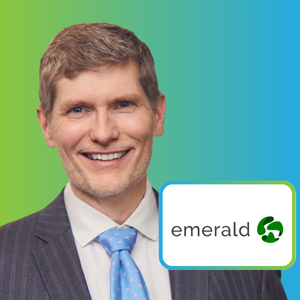
The materials sector is undergoing a profound transformation as brands, regulators and consumers push for more sustainable, circular solutions. To understand how investment trends are shifting — and what the future may hold. We spoke with Neil Cameron, Partner at Emerald Ventures, about the state of the market, the role of regulation and the long‑term outlook for next‑generation materials.
Q: If you were to use one word to characterise the materials investment landscape in 2025, what would it be and why?Neil Cameron: Challenging. Circularity requires effort and investment, yet short‑term economics and supply‑side pressures made legacy solutions seem attractive for many players in the value circle in 2025.
Q: Looking ahead, what does the investment landscape look like for next‑gen materials in 2026? Which solutions are attracting the most interest?Neil Cameron: Improving. Corporate commitments remain ambitious, and regulatory tailwinds from 2025 are fanning the fire for 2026 as well.
We’re especially excited about innovation in packaging, particularly in four areas: paperisation — delivering both recyclability and compostability; sustainable polymer solutions — compatible with existing infrastructure; high‑performance, cost‑acceptable coatings and inks — functional and enabling material circularity; and digitalisation — smart, connected, sortable and traceable packaging that delivers value across the entire value circle.
Q: From an investment standpoint, what is the key to unlocking funding? How can start‑ups successfully navigate their next raise? What are investors looking for?Neil Cameron: The devil is in the details, but investors and entrepreneurs need strong answers to three simple questions.
Does it work? is there a real technical value proposition, and does it solve a problem that truly needs solving.
How much does it cost? is the economic case compelling, especially compared with legacy materials.
Does anyone care? Is there a market, and do we understand who uses it, who chooses it, who profits, who pays and what the path to exit looks like.
Q: How is the new wave of regulation shaping the market? Have we seen a shift in technology adoption as a result?Neil Cameron: One of the best developments of 2025 is that we finally have clarity on the PPWR. A complex regulatory framework like this will never be perfect, but at least we all have marching orders now.
I wish other major markets could take a common approach. The PPWD showed the failings of a patchwork strategy, and I fear the state‑by‑state, province‑by‑province approach in North America will confirm that conclusion.
Q: What does the far future of materials look like? What new material systems will shape the world around us?Neil Cameron: Fully circular — in practice and at scale — with a substantially increased bio‑input. And I wouldn’t take petrochemicals off the table entirely. The material properties offered by this platform at low cost are tough to beat. The key is good stewardship of the resources we have.
Join the Conversation at the Rethinking Materials Summit
The materials transition is accelerating, and the organisations shaping it are those willing to rethink assumptions, challenge legacy systems and invest in bold new solutions. To dive deeper into these themes, and connect with the innovators leading the charge, join us at the Rethinking Materials Summit.
)
)
)