)
)
Use the filters below to explore the 2026 Agenda for Rethinking Materials.
08:55
-
A warm welcome to the 2026 Rethinking Materials Summit. Hear from the Rethink Events team on the key themes for this year's summit, and what you can look forward to over the next two days.
09:00
-
This keynote examines how the August 2025 global plastics treaty talks marked a pivotal shift in materials policy and set a new direction for the circular economy. It explores decision-making models beyond consensus and how companies can leverage policy change to drive innovation, leadership, and accountability across supply chains. Delegates are challenged to look beyond today’s regulatory milestones toward a low-carbon, regenerative materials economy by mid-century - and to identify the decisions needed now to make that vision real.
Speakers

09:10
-
- How are the PPWR and evolving EPR frameworks shaping the transition toward circular materials, and what safeguards are needed to balance environmental ambition with business realities?
- What defines a material, product, or technology as truly “system-ready” — one that meets PPWR recyclability and reuse standards, integrates into circular supply chains, and supports long-term competitiveness?
- Circularity depends on systems, not just materials. Which policy, investment, and industry mechanisms are needed to align innovation, infrastructure, and economics — including organic recycling for food-service packaging that is often contaminated and hard to recycle mechanically?
- How can AI, data transparency, and digital traceability tools — such as those envisioned under PPWR labelling and reporting requirements — help businesses optimize supply chains, extend product value, and deliver EPR compliance at scale?





09:50
-
- After years of small-scale trials, why are companies realising that large-scale, multi-stakeholder collaboration — including shared washing and logistics infrastructure — is essential for truly effective reusable packaging systems?
- What lessons can we take from initiatives like France’s deposit-based glass reuse schemes or Canada’s packaging-as-a-service model in personal care, especially around brand and retailer interoperability?
- How are consumer attitudes and behaviours evolving around reuse and refill, and which strategies — such as standardised, cross-retailer systems and clear collection points — are driving adoption at scale?
- How can companies and policymakers work together to make reuse and refill systems truly circular, efficient, and scalable, while balancing operational feasibility with environmental impact?






10:30
-
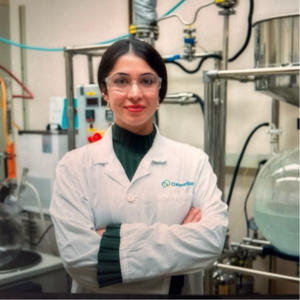
Meet the early-stage innovators presenting new materials and enabling technologies that enhance the circularity of materials and reduce environmental impact. Each presenting company will have three minutes to showcase their solution and take questions from our investor panel.
Speakers








11:10
-
Step into PlasticFreeLand – a physical showcase of plastic-free solutions that exist right now. Created by A Plastic Planet, the installation brings together pioneering brands and materials proving that a world without plastic isn't a distant ambition; it's already here, scalable and commercially viable.
From natural-fibre sportswear and biocircular footwear to microplastic filtration, plant-based packaging coatings and fibre-based bottles, PlasticFreeLand offers a window into a different way of making things, one that works with nature, not against it.
11:40
-
- How do the UK and EU bioeconomy strategies compare in driving the adoption of bio-based and natural polymer materials across sectors like packaging, textiles, and cosmetics, while accounting for variation in environmental performance and end-of-life outcomes?
- How can public procurement, such as in the NHS, accelerate the uptake of high-performing bio-based and natural polymer alternatives that deliver clear sustainability benefits?
- What role does cross-industry collaboration and collective advocacy play in creating regulatory clarity and enabling market adoption for bio-based and biodegradable materials?
- How can standards, testing frameworks, and traceability systems evolve to more accurately reflect the performance and life-cycle impacts of plant-based materials?





12:20
-
- How are global brands embedding material innovation into corporate strategy?
- What leadership mindset drives transformation beyond compliance?
- How can boards, finance, procurement, and innovation teams align long-term material transitions?
- How are companies going beyond just driving change within their own companies and contribute towards changing the wider market?




12:50
-
As industries face mounting sustainability pressures and shifting consumer expectations, data is emerging as the ultimate design material. In this fast-paced Lightning Talk series, innovators from across packaging and textiles share how data insights, smart systems, and circular design thinking are reshaping the future of how we make, move, and reuse materials.




13:25
14:20
-
- How can major brands scale circular business models beyond small experiments while managing the high costs, labour-intensive processes, and iteration cycles of next-gen materials?
- In which ways can transparency tools, supply chain disclosure, and collaborative feedback channels accelerate adoption of sustainable, traceable materials?
- How can innovators design materials that meet regulatory and circularity requirements while balancing recyclability, cost, performance, and manufacturability at scale?
- What policies, incentives, and funding models will reduce the “green premium” and support early-stage material innovation in fashion?
Host





15:00
-
- How are brands and innovators translating early experiments in textile-to-textile recycling into commercially viable, large-scale operations using AI-driven sorting, material identification, and process optimization?
- What role are EPR schemes and policy frameworks playing in accelerating investment and adoption of recycled fibres across global supply chains?
- Which technologies — chemical, mechanical or enzymatic — are proving scalable for post-consumer and blended textiles, and how are they shaping the future fibre mix?
- How can collaboration between brands, recyclers, and investors create the ecosystem needed to move recycled textiles from niche solutions to mainstream fashion production?




15:35
-
Can Mechanically Recycled rPET Redefine What’s Possible in Product Design?
-
Material Innovation Without Borders: Global Perspectives Beyond Europe
-
Regenerative Materials: Why Nature Wins on Cost, Performance, and Safety
-
Making AI Real in Chemicals and Materials - From Hype to Impact
-
Making Europe's Secondary Raw Material Markets Work Better
-
Designing for Recyclability: Policy, Practice, and Future Pathways
-
How can we align on the value of sustainable materials?
-
Rethinking Growth: Optimizing the Fundraising Playbook
-
Designing Materials for Industrial Reality
-
Beyond Packaging: Eliminating Toxic Surface Coatings
-
Circular Polymers: Regulatory Premiums, Carbon Pricing & Economic Viability













16:15
16:40
-
- How are global regulations, evolving brand strategies, and rising environmental pressures - from consumer expectations to NGO scrutiny and anticipated policy shifts - driving the shift from plastic to paper and shaping regional adoption trends?
- How do consumer perception, market demand, and corporate R&D investments influence the growth of fibre-based alternatives in key sectors such as food, beverage, and personal care?
- Which innovations in hybrid papers, barrier coatings, biodegradable linings, and AI-supported design balance functionality, recyclability, operational challenges, responsible sourcing, and end-of-life outcomes - particularly in use cases where leakage is likely?
- How can paperisation - including the development and scaling of paper bottles - avoid regrettable substitutions, support circular recycling systems, and address ecosystem, social, and resource sustainability challenges?




17:20
-
- When can paper-based flexible packaging meaningfully reduce small-format plastic pollution in high-leakage markets, and where is its impact strongest?
- What conditions must be in place for responsibly designed paper-based flexible packaging to deliver environmental benefits at scale?
- How can coordinated innovation accelerate progress on performance, cost, and scalability to make this a viable solution?



17:35
-
- How has human health shifted from a peripheral concern to a signal shaping regulation, investment, and innovation agendas?
- Where do health considerations concretely enter material decisions today, and where do they still struggle to influence specifications, capital allocation, and design?
- How are emerging risk drivers - such as litigation, brand exposure, and portfolio resilience - reshaping material choices?
- Why are upstream innovation and early-stage design critical leverage points, and what would it take to integrate human health as a forward-looking decision driver rather than a downstream compliance check?





18:15
-
After a busy first day of the summit, you are invited to relax and reconnect with industry colleagues and new faces over evening networking drinks. We look forward to welcoming you back tomorrow for another packed agenda of thought leadership and networking.
08:50
-
An introduction to the second day of the summit, highlighting key learnings from the previous day and sharing key highlights for the day ahead.
08:55
-
- What partnerships and financing models best support sustainable extraction and processing within the EU?
- How can innovation and circular economy approaches reduce dependency on imported critical raw material sources?
- What policy and regulatory frameworks are needed to balance strategic autonomy with sustainability and responsible sourcing?

09:05
-
- Which circular, bio-based, or industrial side-stream material innovations are economically viable and ready to scale sustainably and reliably?
- Which financial instruments — such as offtake-backed loans, circularity bonds, or blended finance — can balance risk and return while supporting resilient growth in circular material ventures?
- In what ways can startups, investors, and brands collaborate to accelerate adoption, share risk, and overcome common scaling challenges?
- How can investors allocate capital effectively to align with policy, health, and sustainability goals while navigating operational, regulatory, and market uncertainties?
Speakers






09:45
-
- How can we decouple plastics production from fossil feedstocks while maintaining performance and meeting rising material demand through green chemistry and waste-derived feedstocks?
- What are the most effective ways to combine recycled, biobased, and CO2-derived plastics into integrated circular systems that are both environmentally sustainable and economically viable?
- How can green chemistry tools and life cycle assessment guide the selection of optimal feedstocks - balancing functionality, cost, and environmental footprint across different applications?
- What collaborative frameworks can align industry, policymakers, and investors to scale circular plastic solutions, supported by infrastructure, incentives, and market demand for sustainable materials?




10:20
-
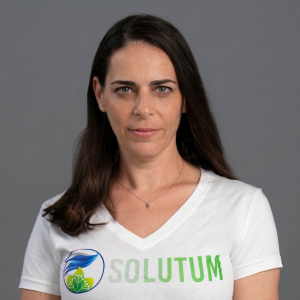
Discover how next-generation materials are reshaping packaging, textiles, and footwear. This showcase spotlights scale-up companies driving breakthroughs in bio-based, recycled, and regenerative materials that advance circularity and reduce environmental impact. Each innovator will pitch their enabling technology, answer investor questions on their funding strategies and their path toward sustainable growth.
HostSpeakers










11:05
11:35
-
- Which materials innovations in footwear (recycled polymers, bio-based components, hybrid materials) meet performance, comfort, and sustainability benchmarks?
- How can cross-industry collaboration accelerate sustainable design adoption and reduce operational risk?
- What design strategies maximize recoverability, reuse, and lifecycle efficiency?
- How can footwear brands scale sustainable solutions effectively across global markets while ensuring their sustainability story resonates with consumers and drives informed purchasing decisions?




12:10
-
- How are automotive brands integrating recycled plastics, steel, aluminium, and emerging materials in interiors and components, and what technical and operational challenges arise when using recycled or hybrid materials?
- How are companies preparing to meet EU Circular Economy rules, including recycled plastic targets, design-for-dismantling, and ELV responsibility?
- How can sustainability goals be balanced with aesthetics, performance, and consumer expectations in automotive interiors?
- What lessons from automotive interiors can be applied to packaging, textiles, and industrial materials?




12:45
-
Hosted by:
As consumer demand and regulatory standards rise, compostability and marine certifications are becoming requirements for market entry. Biodegradable materials are often designed to meet minimum performance criteria for these certifications, which do not always align with environmental realities.
This session explores frontier materials, including enzyme-activated solutions, designed for predictable degradation, improved performance, and enhanced circularity. We will examine emerging technological breakthroughs and how high-performance biodegradable materials can unlock both environmental and financial value.
We will connect material, technology, and manufacturing innovators in the room to drive the development of new products, enabling premium positioning and competitive advantage.
-
Hosted by:

AI is everywhere in the materials industry - hailed by some as transformative, dismissed by others as overhyped. The reality sits in between.
When applied strategically, AI can accelerate materials innovation by synthesizing complex datasets, recommending formulations, predicting performance, and enabling truly agile R&D. The challenge isn’t whether to use AI - it’s knowing which tools to use, when, and how to apply them effectively.
This interactive session will cut through the noise and focus on practical application. We’ll explore the roles of Generative AI, Analytical AI, and Statistical Modeling - and how each fits into real-world materials development workflows.



13:35
14:20
-
- How are nano-and microplastics, and PFAS in textiles, packaging and home goods shaping regulatory priorities in 2025 across the EU, US, and other global markets?
- What are the main technical and cost challenges companies face in eliminating PFAS while maintaining functionality in textiles, food packaging, and other consumer products?
- How are startups and packaging innovators providing viable alternatives to PFAS-containing materials?
- How can Digital Product Passports (DPPs) share verified evidence across the value chain while brands take independent action now?





15:00
-
- How can material innovators move beyond industry echo chambers and engage consumers in ways that are clear, credible, and actionable?
- What role should brands play in translating scientific breakthroughs into consumer understanding and desire - and how can they avoid greenwashing while still inspiring behaviours change?
- Can social influencers, educators, and cultural voices help make materials innovation aspirational as well as responsible, and what safeguards are needed to maintain credibility?
- How can lessons from tech and climate communication help the materials sector simplify complex narratives and make adoption of sustainable materials understandable and compelling to the public?




)
)
)
)
)
)
)
)
)
)
)
)
)